Essential Skills for Success in Biotechnology
Biotechnology is transforming how we treat disease, grow food, and protect the environment. But success in this dynamic field requires more than scientific knowledge alone. Employers are looking for professionals who combine technical expertise with analytical thinking, digital fluency, and the ability to collaborate across disciplines. Whether you’re a student, graduate, or experienced professional, understanding the skills needed for biotechnology careers can help you stay competitive and future-ready.
As Nature Careers explains, the biotech sector rewards adaptability and curiosity. It’s a field where innovation depends on both precision and creativity — blending laboratory mastery with data interpretation, problem-solving, and communication. Let’s look at the most important skills to cultivate for long-term success in biotechnology.
1. Laboratory and Technical Expertise
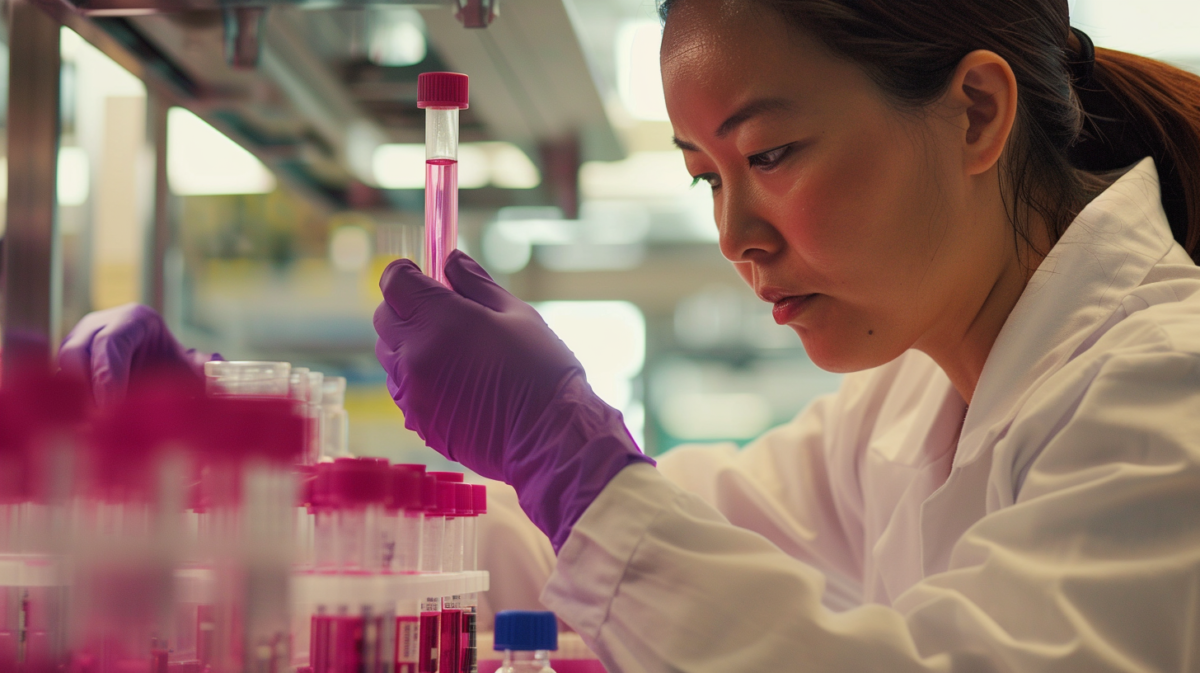
At the heart of biotechnology is hands-on science. Laboratory competence remains one of the most critical skills employers value. You’ll need to be familiar with molecular biology, chemistry, and quality control techniques such as:
- PCR (Polymerase Chain Reaction)
- DNA sequencing and cloning
- Protein purification and analysis
- Microscopy and imaging
- Cell culture and sterile techniques
Maintaining rigorous accuracy, cleanliness, and documentation is essential. Many employers also look for experience with Good Laboratory Practice (GLP) and Good Manufacturing Practice (GMP). Internships and research assistant roles are great ways to strengthen these skills early on. (See also: How to Start a Career in Biotechnology.)
2. Data Literacy and Digital Proficiency
Modern biotech is powered by data. Bioinformatics, AI, and machine learning now shape everything from drug discovery to gene editing. As Forbes highlights, digital fluency is no longer optional — it’s essential. Being comfortable with programming languages like Python or R, as well as software for statistical analysis and data visualisation, can significantly expand your career opportunities.
Beyond coding, understanding how to interpret large datasets is crucial. Bioinformatics specialists and research scientists often collaborate with data engineers and AI experts, so cross-disciplinary awareness makes you more adaptable and valuable to employers.
3. Analytical and Critical Thinking
Biotech professionals solve complex problems daily — whether it’s troubleshooting an experiment or designing a new product. Analytical skills allow you to think logically, assess patterns, and draw reliable conclusions. Employers look for people who can transform data into insight and ideas into results. The ability to question assumptions and apply the scientific method consistently helps build credibility and innovation capacity.
Critical thinking also means staying objective when results don’t meet expectations. Reflecting, refining methods, and viewing setbacks as learning experiences are hallmarks of resilient scientists. Read more about adapting through change in Addressing Adversity — An Important Leadership Skill.
4. Communication and Collaboration
Biotechnology is inherently collaborative. Research and innovation depend on teams of scientists, engineers, and business professionals working toward shared goals. This means communication skills — both written and verbal — are essential. You must be able to present findings clearly, write accurate reports, and explain technical concepts to non-specialist audiences, such as investors or policymakers.
Strong interpersonal skills also enable you to manage projects, resolve conflicts, and build trust across diverse teams. For more on how professional relationships drive success, see The Power of Professional Relationships: How Networking Can Supercharge Your Career.
5. Ethical Awareness and Responsibility
Ethics are central to biotechnology. When working with genetic data, human samples, or environmental applications, professionals must navigate sensitive issues responsibly. Understanding regulations like GDPR (for data protection) and ethical guidelines from organisations such as the World Health Organization ensures compliance and integrity.
Employers seek candidates who recognise the societal impact of their work. Being able to discuss ethical considerations shows maturity and foresight — traits increasingly valued in leadership and research roles.
6. Adaptability and Continuous Learning
Biotechnology evolves faster than most industries. New discoveries, regulations, and technologies emerge constantly. To thrive, professionals need an open mindset and commitment to lifelong learning. Attending industry conferences, completing certifications, or pursuing online courses demonstrates initiative and keeps your skills sharp.
Curiosity is your greatest asset. By exploring new methods, reading research papers, and collaborating with peers, you’ll remain adaptable and relevant. For further guidance on keeping pace with innovation, visit Emerging Trends and Future Jobs in Biotechnology.
7. Business and Project Management Skills
Biotechnology operates at the intersection of science and commerce. Understanding project timelines, budgeting, and regulatory milestones can give you an edge. Roles such as project manager, business development associate, or regulatory affairs specialist blend scientific knowledge with strategic thinking.
Many biotech organisations encourage scientists to develop management skills early. Courses in leadership, communication, and agile project management can help you coordinate teams more effectively and prepare for senior roles later in your career.
8. Resilience and Mindset for Growth
Science can be unpredictable — and progress often involves failure before success. Resilience helps you maintain focus, motivation, and perspective in demanding environments. Developing a growth mindset — viewing every challenge as an opportunity to learn — can transform how you approach your work and career trajectory.
As noted in Readiness for Redundancy, adaptability and self-reflection are essential in navigating professional change. In biotechnology, where innovation thrives on experimentation, these qualities are vital to long-term achievement.
Conclusion
Building a successful career in biotechnology requires a blend of scientific precision, digital literacy, and emotional intelligence. The most sought-after professionals are those who can integrate technical excellence with communication, adaptability, and ethical awareness. By nurturing these essential skills, you not only enhance your employability — you contribute meaningfully to a field that’s redefining the future of science and society.
To explore practical steps toward entering or advancing in the industry, read How to Start a Career in Biotechnology or Top Biotechnology Careers Shaping the Future of Science.