
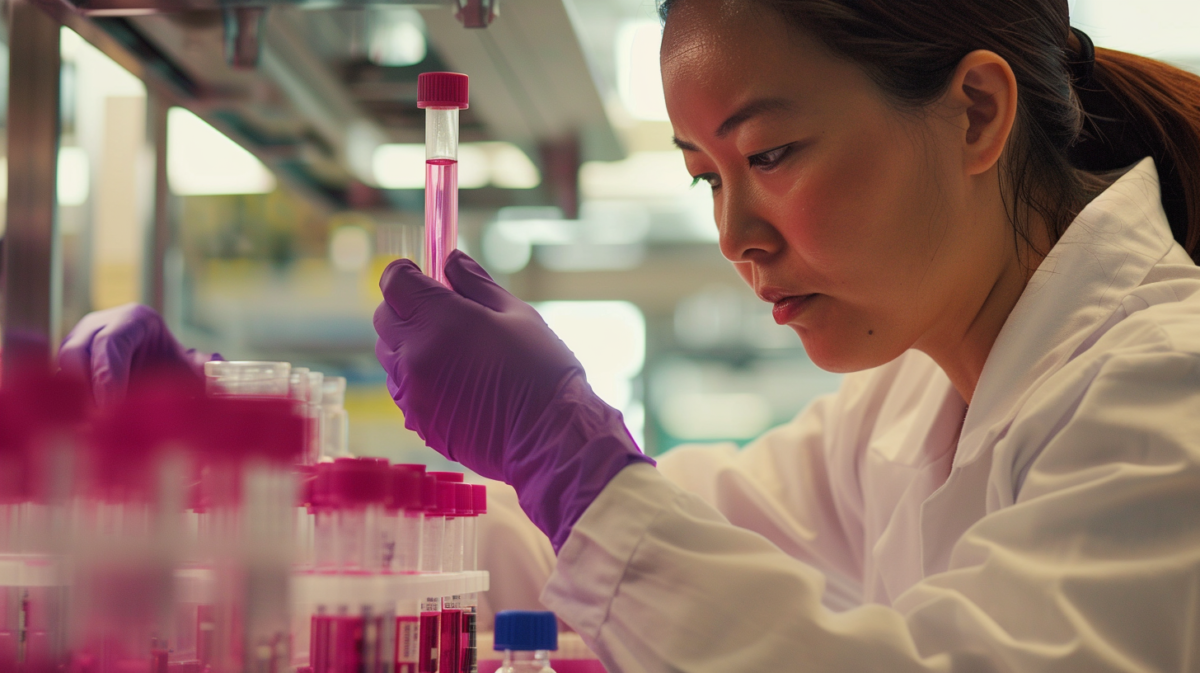
Biotechnology is at the forefront of scientific innovation, merging biology with technology to solve some of today’s most urgent global challenges. As we face public health crises, environmental pressures, and the pursuit of sustainability, careers in biotechnology offer not only the chance to participate in groundbreaking work but also a pathway to long-term professional and personal growth.
The Promise of Biotechnology
Biotechnology harnesses biological systems and cellular processes to create technologies and products that improve lives and protect the planet. From advanced medicines to sustainable agriculture, biotechnologists drive innovations that heal, fuel, and feed the world. According to Nature Biotechnology, new discoveries are emerging faster than ever, opening doors to high-impact careers at the intersection of science, data, and human progress. It’s a field where curiosity meets purpose — and every advancement contributes to global wellbeing.
Career Paths in Biotechnology
The biotechnology sector offers an exceptionally broad range of roles, spanning research and development, quality assurance, clinical trials, biomanufacturing, bioinformatics, and regulatory affairs. Whether you’re developing new cancer therapies, improving agricultural resilience, or managing supply chains for vaccines, the opportunities are diverse and expanding worldwide. Emerging areas such as genetic engineering, synthetic biology, and personalised medicine are transforming healthcare and creating fresh career possibilities. For an overview of current roles, visit BioTechCareers.org, which maps the growing landscape of biotechnology employment.
The Educational Journey
Most biotechnology professionals begin with a foundation degree in biology, chemistry, or biochemistry. Those pursuing leadership or research-intensive roles often continue to postgraduate study in biotechnology, pharmaceuticals, or bioengineering. Increasingly, professionals also combine their scientific expertise with business, data science, or sustainability knowledge. Continuous learning is key: the biotechnology field evolves rapidly, and staying up to date with innovations, regulations, and ethics is part of every professional’s responsibility. Free courses from global platforms such as edX or Coursera can help professionals stay competitive and informed.
Overcoming Challenges
Biotechnology is an exciting but demanding career field. It requires resilience, patience, and adaptability. Scientists often face regulatory hurdles, ethical considerations, and the pressure of innovation timelines. Yet these challenges are what make the work so rewarding. The impact of biotechnology is visible everywhere — in disease prevention, sustainable food production, renewable energy, and environmental protection. The World Health Organization notes that biotech innovations are central to achieving equitable and sustainable healthcare across the globe. Professionals who combine technical excellence with empathy and global awareness find themselves uniquely positioned to drive meaningful change.
Linking Science and Broader Career Challenges
The journey of a biotechnologist reflects many universal career experiences — resilience, curiosity, and the constant need to adapt. As highlighted in “Shock, Tears, and Triumph: The Unseen Battle of Job Loss and the Heroes Who Help” on London Outplacement, adaptability and support are critical for navigating professional transitions. The same mindset drives success in science: progress often requires experimentation, setbacks, and perseverance. (See also: [LINK TO related 5ign article on resilience or leadership].)
Just as outplacement services guide individuals through uncertainty toward new beginnings, biotechnology professionals navigate complex landscapes of research, funding, and ethics — emerging stronger with every discovery. Behind every breakthrough lies the persistence of scientists who continually test, refine, and improve, shaping innovations that ripple across industries and societies.
Future Outlook and Opportunities
Globally, biotechnology is forecast to grow exponentially in the next decade, driven by advances in artificial intelligence, genetic engineering, and sustainable materials. Countries are investing heavily in bio-based economies, creating new demand for skilled researchers, technicians, and managers. As sustainability becomes central to business strategy, biotech expertise is expanding into non-traditional areas like climate technology, food innovation, and green energy. For graduates and career changers alike, this is one of the most future-proof and purpose-driven career choices available today.
Conclusion
A career in biotechnology is more than a profession — it’s a commitment to shaping a better future through science. As global needs evolve, this sector continues to offer promising opportunities for those driven by curiosity, compassion, and a desire to make a measurable difference. Whether you’re starting out, retraining after redundancy, or seeking a mission-driven role, biotechnology offers the chance to align your skills with purpose — and play a part in solving some of the world’s greatest challenges.